
Garage door springs do the heavy lifting… literally.
If your garage door suddenly feels heavy, won’t open, or slams shut, there’s a good chance the springs are the problem.
For homeowners in Lutz, Land O Lakes & South Tampa, understanding how garage door springs work can help you spot issues early – and avoid dangerous situations.
In this guide, we’ll break down:
- How garage door springs work
- The difference between torsion vs extension springs
- Signs of failure
- When to call a professional
Quick Answer: How Do Garage Door Springs Work?
Featured Snippet Answer:
Garage door springs counterbalance the weight of the door, making it easy to open and close manually or with an opener. They store mechanical energy when the door is closed and release it when the door opens.
Why Garage Door Springs Are So Important
Your garage door can weigh 150–300+ pounds.
Without springs:
- You wouldn’t be able to lift the door safely
- The opener would burn out quickly
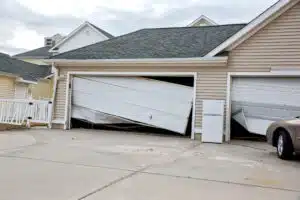
- The door could slam shut unexpectedly
Springs make your garage door feel light, balanced, and safe.
How Garage Door Springs Actually Work
When your garage door closes:
- Springs store tension (energy)
When it opens:
- Springs release that energy to lift the door
This counterbalance system allows smooth operation with minimal effort.
Torsion Springs vs Extension Springs
There are two main types of garage door springs, and knowing the difference matters.
Torsion Springs (Most Common & Recommended)
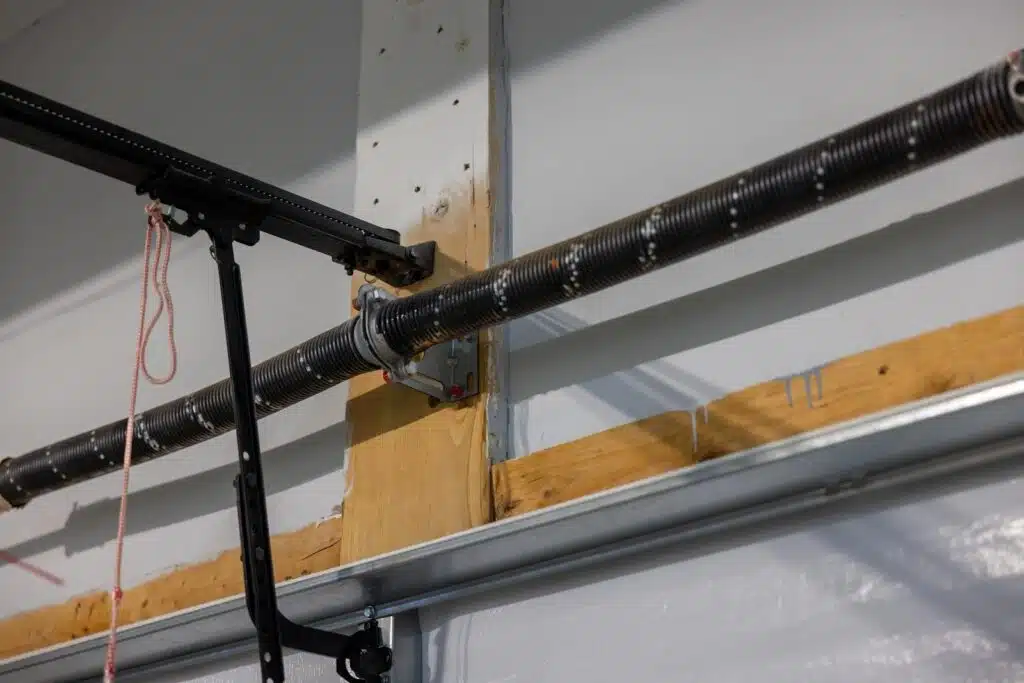
Location:
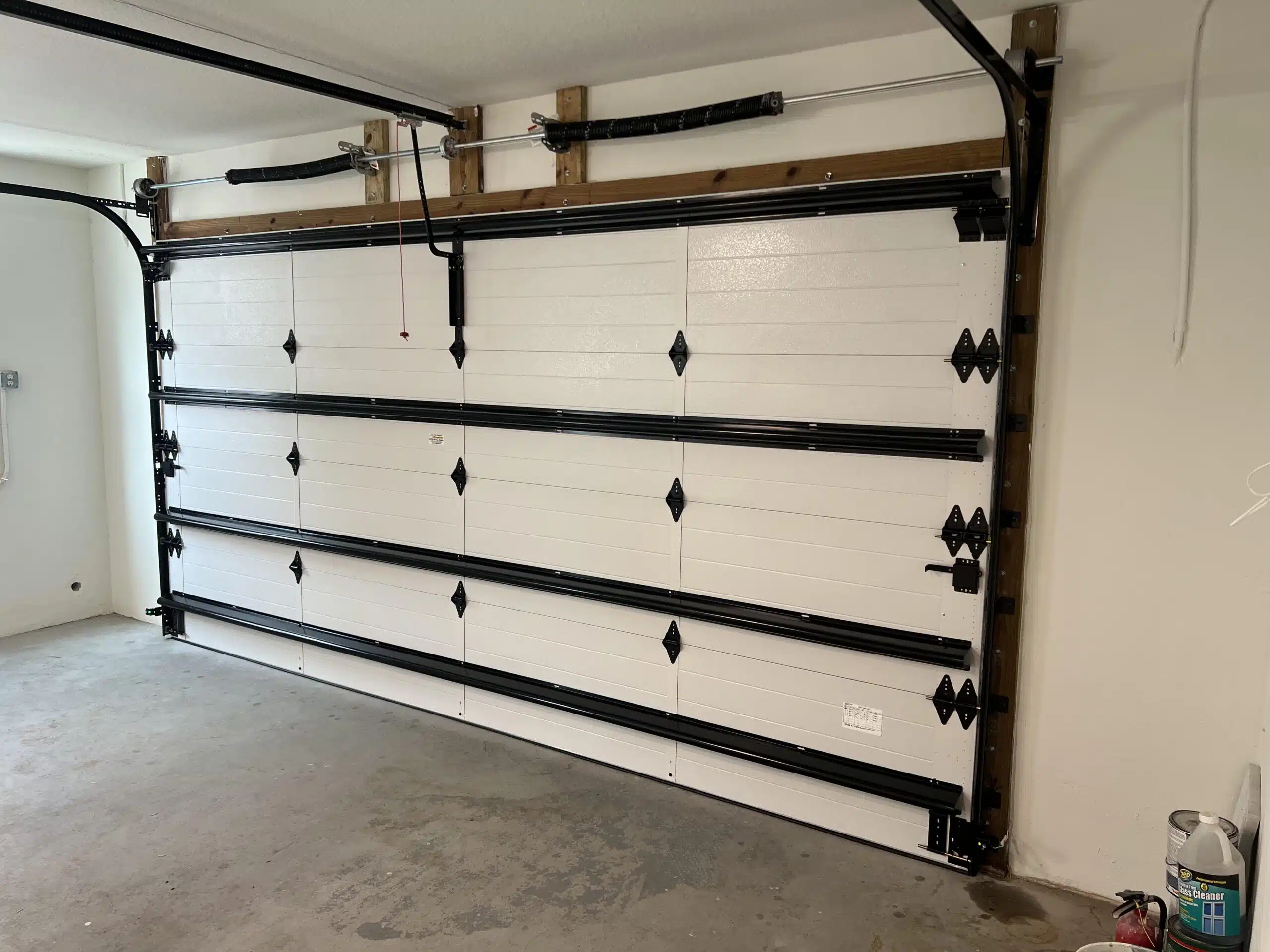
Mounted above the garage door opening on a metal shaft
How they work:
- Twist and store energy (torsion)
- Provide controlled, even lifting force
Pros:
- Smoother, quieter operation
- Longer lifespan (10,000–20,000 cycles)
- Safer than extension springs
- Better for heavier doors
Cons:
- Higher upfront cost
Best choice for most Tampa homeowners
Extension Springs (Older / Budget Systems)

Location:
Mounted on both sides of the door along the tracks
How they work:
- Stretch and contract to lift the door
Pros:
- Lower cost
- Simpler system
Cons:
- Shorter lifespan
- More wear and tear
- Can be dangerous if they snap (without safety cables)
- Less smooth operation
Often found in older homes or budget setups
Key Differences: Torsion vs Extension Springs
| Feature | Torsion Springs | Extension Springs |
| Location | Above door | Along side tracks |
| Operation | Twisting motion | Stretching motion |
| Lifespan | Longer | Shorter |
| Safety | Safer | Higher risk if broken |
| Performance | Smooth & quiet | Less consistent |
Signs Your Garage Door Spring Is Failing
Watch for these warning signs:
- Loud “bang” from the garage
- Door won’t open or only lifts a few inches
- Door feels extremely heavy
- Visible gap in the spring
- Crooked or uneven door movement
Quick Answer:
A broken garage door spring often causes the door to stop opening, feel heavy, or make a loud snapping noise.
Why Springs Wear Out Faster in Tampa
Florida conditions can shorten the lifespan of your springs:
- Salt air corrosion
- High heat and humidity
- Frequent daily use
- Storm-related wear
Regular inspections are key for Tampa Bay homeowners.
Can You Replace Garage Door Springs Yourself?
Short answer: NO (and you shouldn’t try).
Garage door springs are under extreme tension and can cause serious injury if handled incorrectly.
Quick Answer:
Garage door spring replacement should always be handled by trained professionals due to high tension and safety risks.
Repair or Replace Your Garage Door Springs?
Replace if:
- Spring is broken
- Door is unbalanced
- Springs are over 7–10 years old
Upgrade option:
Many homeowners switch from extension → torsion springs for better performance and safety.
Need Garage Door Spring Repair in Tampa?
Don’t wait until your garage door breaks down… Call Bayside Garage Doors today to schedule your maintenance service and keep your garage door running smoothly all year long.
Dealing with a squeaky door, issues with opening or closing, or just thinking it might be time for a change? Call us today @ (813) 670-2087 to Schedule Service, or to take advantage of our Garage Door Tune-up Specials!
FAQs
What is the difference between torsion and extension springs?
Torsion springs twist to lift the door and are safer and longer-lasting, while extension springs stretch and are more common in older systems.
How long do garage door springs last?
Typically 7–12 years or 10,000–20,000 cycles, depending on usage and environment.
How do I know if my garage door spring is broken?
A loud bang, heavy door, or inability to open are common signs of a broken spring.
Can I open my garage door with a broken spring?
It’s not recommended—it can be dangerous and may damage your opener.