
(813) 670-2087

Hillsborough & Pasco

(352) 405-1492

Hernando County

(727) 285-8171

Pinellas County

The Difference Between Torsion Cables and Extension Cables

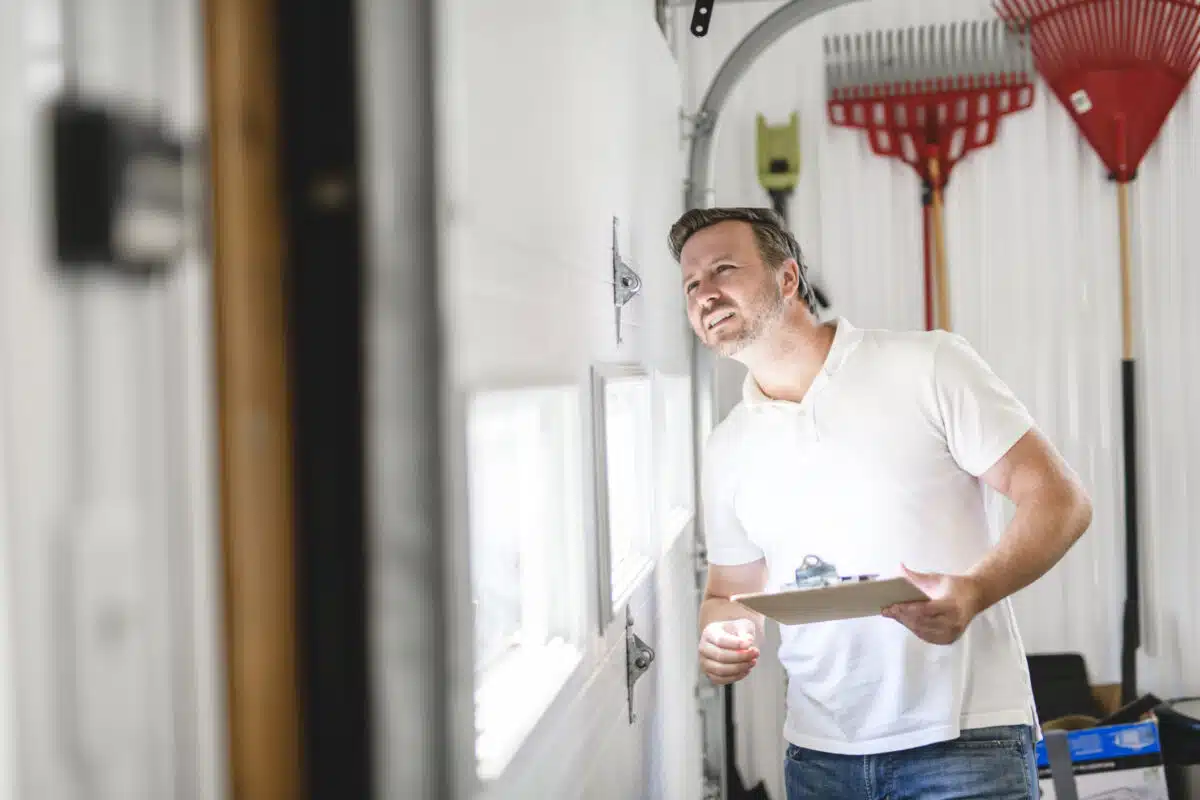
Which Cable Does Your Home Have?

If you’ve ever had issues with your garage door cables or springs, you may have heard terms like “torsion cables” or “extension cables.” For most homeowners, the differences aren’t obvious – until something goes wrong.

Understanding which system your home has helps you:

✅ Spot early signs of cable wear
✅ Know what type of maintenance is needed
✅ Communicate issues clearly to your technician
✅ Make better decisions when it’s time for repairs or upgrades

Here’s an easy-to-understand explanation of the two main types of garage door cable systems and how to identify which one your home uses.

What Are Garage Door Cables, and Why Do They Matter?

Garage door cables are responsible for lifting and lowering your garage door smoothly and safely. They work hand-in-hand with your springs, guiding tension, carrying weight, and preventing uncontrolled movement.

When cables wear out, fray, or snap, the entire system becomes unsafe – and in some cases, completely inoperable. That’s why it’s important to know what type of cable system you have.

Garage doors generally use one of two systems:

  • Torsion cables
  • Extension cables

Let’s break down the differences.

Torsion Cables: The Most Common Modern System

How They Work

Torsion systems use large, strong springs mounted horizontally above the garage door. When the door opens, these springs unwind, helping lift the heavy door with controlled tension.

Torsion cables attach to the bottom corners of the door, wrap around metal drums mounted next to the torsion spring, and work to lift the door evenly.

Benefits of Torsion Cables

  • Smoother, quieter operation
  • Better balance and controlled lifting
  • Increased lifespan and durability
  • Safer in the event of failure (torsion systems lift the door upward instead of relying on stretched springs)
  • Ideal for heavier or insulated doors

Signs You Have Torsion Cables

  • You see a long spring tube running above your garage door
  • The cables run vertically on the sides, connecting to small drums
  • Your opener sounds smoother and the door lifts evenly

Most newer homes and professionally installed modern doors use torsion systems because they’re easier to balance and longer-lasting.

Extension Cables: An Older, Simpler System

How They Work

Extension springs are mounted along the sides of the garage door tracks, stretching and contracting as the door moves. Extension cables run through pulley systems to help counterbalance the door’s weight.

Benefits of Extension Cables

  • Lower upfront cost
  • Simple mechanical design
  • Common in older homes and smaller garages

Drawbacks to Consider

  • More noise and vibration
  • Uneven lifting if one spring wears out
  • Shorter lifespan than torsion systems
  • More risk if a spring breaks without safety features
  • Not ideal for heavy or large doors

Signs You Have Extension Cables

  • You see long, coil-style springs running along both sides of the track
  • Your cables run from the bottom of the door into a pulley system
  • Your door feels bouncier or louder during operation
  • The system looks more stretched and open compared to torsion systems

Extension systems used to be common, but many homeowners upgrade to torsion systems for durability, strength, and safety.

So… Which Cable System Does Your Home Have?

Use this quick guide:

Look ForIf Yes → You Have:
A long metal bar with springs above your doorTorsion system
Springs running parallel to the tracks on either sideExtension system
Smooth, quiet lifting motionLikely Torsion
Pulley wheels attached to stretched springsExtension
Newer home (2000s and later)Most likely Torsion

If you’re still unsure, a technician can identify it in seconds.

Should You Upgrade from Extension to Torsion?

Many Tampa homeowners choose to upgrade for:

  • Better safety
  • Quieter operation
  • Longer system lifespan
  • Improved balance for heavier doors
  • Fewer emergency breakdowns

If your door uses an older extension system and you’ve noticed noise, uneven lifting, or frequent cable issues, an upgrade can be a smart long-term investment.

Need Help Identifying or Replacing Garage Door Cables? 

Whether your garage door uses torsion cables or extension cables, Bayside Garage Door has the expertise to repair, replace, or upgrade your system quickly and safely.

✅ Same-day service
✅ High-quality cable replacements
✅ Full safety inspections
✅ Spring balancing & tune-ups
✅ Reliable local technicians serving Tampa, Pasco, Hernando & surrounding areas

If you’re noticing frayed cables, uneven lifting, or unusual noise, don’t wait.

Call Bayside Garage Doors Today!

Don’t wait until your garage door breaks down… Call Bayside Garage Doors today to schedule your maintenance service and keep your garage door running smoothly all year long.

Dealing with a squeaky door, issues with opening or closing, or just thinking it might be time for a change? Call us today @ (813) 670-2087 to Schedule Service, or to take advantage of our Garage Door Tune-up Specials!
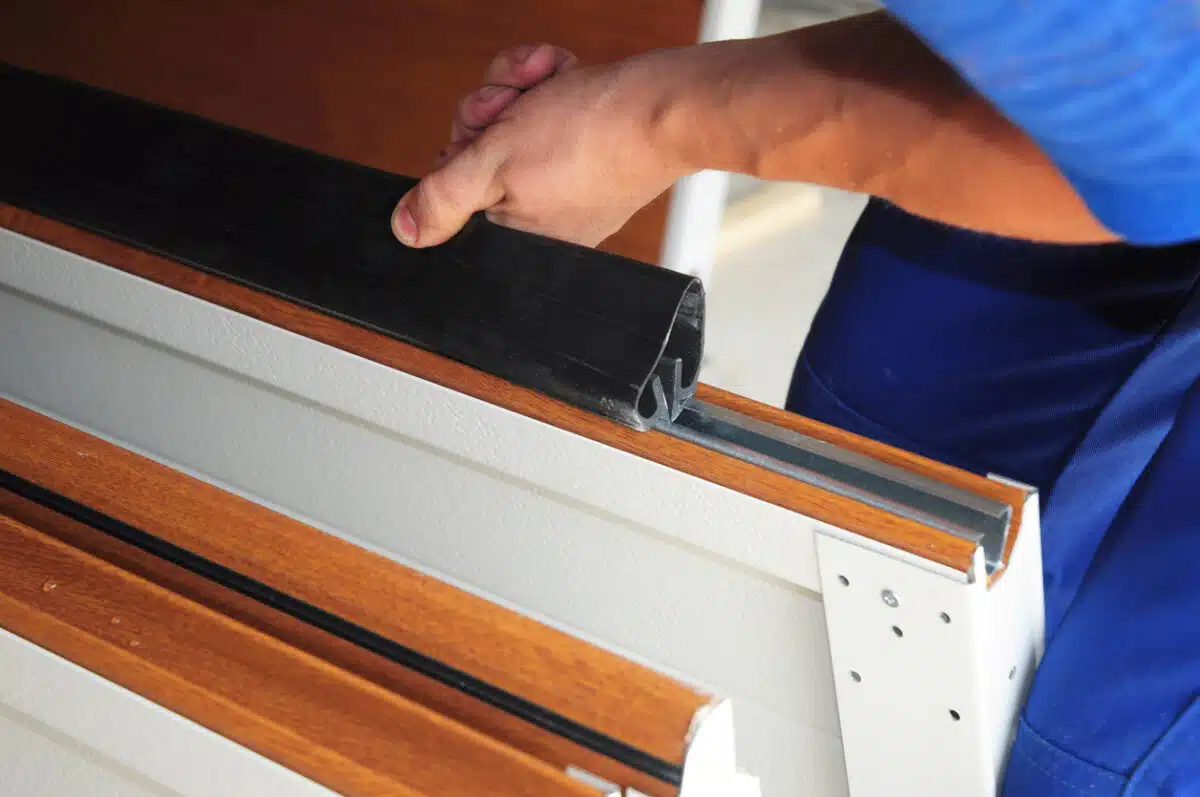
Why Your Garage Door Seal Is Your Home’s Secret Winter Insulator

Why Your Garage Door Seal Is Your Home’s Secret Winter Insulator

Even though Florida winters are mild compared to the rest of the country, the shift from hot, humid days to cooler mornings can have a surprising impact on your home… especially your garage. One of the most overlooked ways to keep your home comfortable (and your energy bills in check) is making sure your garage door seal is in good condition.

A worn, cracked, or loose seal doesn’t just let in drafts. It creates a pathway for moisture, pests, and heat loss – three things every Tampa homeowner wants to avoid this time of year.

Here’s why your garage door seal matters, and what you can do now to prepare your home for Florida’s cooler months.

Cooler Mornings + High Humidity = A Perfect Storm for Seal Damage

Florida’s fall and winter weather patterns can be tricky. The humidity doesn’t disappear – it just lingers in different ways. Combine that with temperature swings between cool mornings and warm afternoons, and your garage door seal goes through constant expansion and contraction.

Over time, this leads to:

Cracked or brittle rubber
Loose or uneven contact with the floor
Moisture seepage during foggy or rainy mornings
Gaps pests can sneak through in search of warmth
Unwanted airflow that impacts your home’s comfort level

Even a small gap at the bottom of the garage door can reduce energy efficiency and allow outside air to flow into the garage… and eventually into your home.

The Hidden Cost of a Worn Garage Door Seal

A failing seal can lead to several headaches during the cooler season:

• Heat Loss & Higher Energy Bills

Cold air sinking into your garage can transfer into connecting rooms – especially if your garage isn’t insulated. Your HVAC system ends up working harder than it needs to.

• Moisture Buildup & Mold Potential

Morning dew and high humidity can seep in through gaps, contributing to mold and mildew growth inside the garage – especially on stored items.

• Pests Looking for Warmth

As temperatures drop, insects and rodents look for warm, dry places to settle. A small gap under your door is basically an open invitation.

• Premature Wear on Your Garage Door System

Uneven or hardened seals can cause the door to sit improperly or strain the opener over time.

A Quick Winter-Readiness Checklist for Your Garage Door Seal

Before the cooler weather arrives, use this simple checklist to make sure your garage is protected:

✅ 1. Inspect the Seal for Cracks, Gaps, or Detachment

Look along the entire bottom edge. If light shines through or the rubber looks flattened, it’s time to replace it.

✅ 2. Check for Moisture Signs in the Corners

Damp corners or water trails mean your seal isn’t fully making contact with the floor.

✅ 3. Replace Old Weatherstripping

Side and top weatherstripping are just as important as the bottom seal in blocking drafts and pests.

✅ 4. Consider Upgrading to an Insulated Door Seal

If your garage is attached, an insulated threshold or higher-grade seal can make a big difference in comfort and HVAC efficiency.

✅ 5. Schedule a Professional Tune-Up

A quick inspection from a trained technician can identify seal issues, alignment problems, and early signs of mechanical wear.

Florida Winters Are Mild – But Maintenance Still Matters

You may not be dealing with snow, ice, or freezing temperatures, but Florida’s unique mix of humidity and cooler weather can take a toll on your garage door components. A fresh, properly fitted seal keeps your garage drier, cleaner, and more energy-efficient all season long.

If you notice drafts, pests, or visible gaps under your garage door, now is the perfect time to take action.

Need a New Seal or a Winter Tune-Up? Bayside Garage Door Can Help.

Whether you need a quick seal replacement, a full weatherproofing upgrade, or a seasonal inspection, Bayside Garage Door provides fast, reliable, local service across Tampa Bay, Pasco, Hernando, and surrounding areas.

✅ Same-day service available
✅ High-quality seals & weatherstripping
✅ Experienced local technicians
✅ Five-star service every time

Call Bayside Garage Doors Today!

Don’t wait until your garage door breaks down during Thanksgiving week or a holiday gathering. Call Bayside Garage Doors today to schedule your fall maintenance service and keep your garage door running smoothly all season long.Dealing with a squeaky door, issues with opening or closing, or just thinking it might be time for a change? Call us today @ (813) 670-2087 to Schedule Service, or to take advantage of our Garage Door Tune-up Specials!
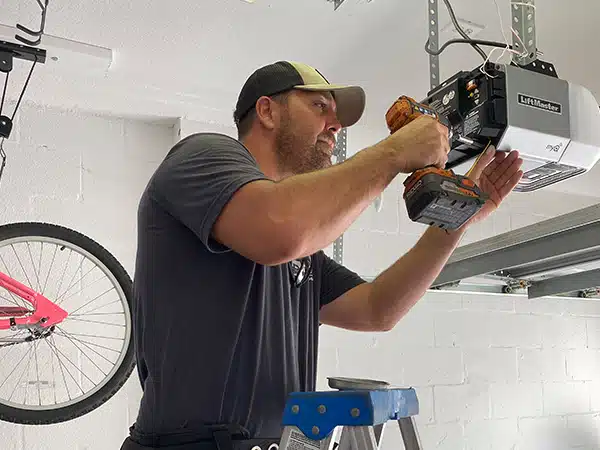
What Causes Garage Door Cables to Snap?

The Top Reasons Florida Homeowners Should Know

Your garage door cables play a crucial role in safely lifting and lowering your door. When a cable snaps, the door can suddenly become crooked, heavy, or completely inoperable – turning a normal day into an unexpected emergency.

For homeowners in Tampa, Hillsborough,Pasco, Hernando, and surrounding areas, understanding why garage door cables fail can help prevent costly repairs and keep your home safe year-round.

Here are the most common reasons garage door cables snap and what you can do to protect your system.

1. Age & Normal Wear Over Time

Garage door cables are made from tightly wound steel strands designed to withstand tension and heavy loads. But like any component that handles daily movement, they weaken over time.

Signs your cables are wearing out include:

  • Fraying or strands breaking
  • Rust or discoloration
  • Cable thinning
  • The door lifting unevenly

Most cables last 7–12 years, depending on usage. If your garage door is used as a primary entrance – common in many Florida homes – it may wear out sooner.

2. Corrosion from Florida’s Humidity & Coastal Air

High humidity, salt air, and moisture are common across Tampa Bay and the Gulf Coast. These conditions accelerate rust and corrosion, one of the biggest threats to garage door cables.

Once corrosion begins, the steel becomes brittle and loses strength, increasing the chance of a sudden snap. This risk is especially high during:

  • Early morning dew
  • Rainy or stormy seasons
  • Homes located near the coast or marsh areas

Regular lubrication and seasonal tune-ups are the best defense against moisture-related cable damage.

3. Broken or Failing Springs (A Hidden Danger)

The springs and cables on your garage door work together as a team. If the springs—torsion or extension—begin to weaken or break, they place excess strain on the cables.

This can cause:

  • Rapid fraying
  • Premature cable stress
  • Sudden snapping under tension

In many cases, a snapped cable is actually a symptom of an underlying spring issue. If one breaks, both parts should be inspected by a professional immediately.

4. Improper Tension or Misalignment

Garage door cables must be tensioned correctly to lift the door evenly. Incorrect tension can come from:

  • DIY adjustments
  • Older doors settling or shifting
  • Bent tracks
  • Worn pulleys
  • Poor installation
  • Improper drum alignment

When the tension is off (even slightly) the cable can unwind unevenly, become pinched, or rub against metal components. Over time, this leads to premature failure.

Professional tune-ups ensure the tension is balanced evenly across both sides.

5. Poor (or No) Maintenance

Garage doors are heavy, complex systems, and lack of maintenance is a major reason cables snap unexpectedly.

Without routine service, cables suffer from:

  • Dirt buildup
  • Increased friction
  • Dryness from lack of lubrication
  • Alignment problems that go unnoticed
  • Minor wear that turns into major failures

A professional garage door tune-up once a year can add years to the life of your cables, springs, rollers, and opener.

Is a Snapped Garage Door Cable an Emergency?

In most cases… Yes!

A broken cable can cause:

  • A crooked or stuck door
  • A door that slams shut or won’t open
  • Damage to tracks or the opener
  • Dangerous tension on the remaining cable or spring

Attempting to operate the door or fix the cable yourself can be extremely dangerous. Always let a trained technician handle cable repairs.

Protect Your Home with Professional Cable Inspection & Replacement

If your garage door cable has snapped – or you suspect it’s starting to fray – the safest choice is to call Bayside Garage Door right away. We offer:

✅ Same-day repairs
✅ High-quality cable replacements
✅ Safety inspections for springs, drums & pulleys
✅ Tune-ups to prevent future failures
✅ Friendly, experienced local technicians

Your garage door is one of the hardest-working systems in your home. Keeping its cables in good condition ensures safety, reliability, and peace of mind.

If you notice fraying, uneven lifting, or hear unusual sounds, don’t wait.

Call Bayside Garage Doors Today!

Don’t wait until your garage door breaks down… Call Bayside Garage Doors today to schedule your maintenance service and keep your garage door running smoothly all year long.Dealing with a squeaky door, issues with opening or closing, or just thinking it might be time for a change? Call us today @ (813) 670-2087 to Schedule Service, or to take advantage of our Garage Door Tune-up Specials!

7 Signs You Need a New Garage Door Opener

Wondering if it’s time to replace your garage door opener? If your garage door opener is making noise, opening slowly, or acting unpredictably, it might be more than just a minor issue. In this guide, we break down 7 clear signs that your garage door opener needs to be replaced—and when it’s time to call in a professional.

Whether you’re hearing strange noises, dealing with an unresponsive remote, or tired of an outdated system, this checklist will help you decide if it’s time for an upgrade.

What are the signs that a garage door opener is going bad?

Here are the 7 most common symptoms of a failing garage door opener:

1. Loud Noises or Unusual Sounds

Why is my garage door opener so loud?
Grinding, squealing, or rattling sounds usually point to worn-out gears or a failing motor. If your opener is noisier than it used to be, that’s a common early warning sign that it’s wearing out.

2. Jerky or Slow Door Movement

Why does my garage door open slowly or shake?
If your door opens in a jerky motion or feels sluggish, your opener motor might be struggling. This could be due to internal wear, faulty wiring, or damaged sensors.

3. Unresponsive Remotes or Keypads

Why won’t my garage door remote work?
If you’ve replaced the batteries and it still won’t work consistently, the issue may lie within the opener’s circuit board or antenna. An unreliable connection is a major indicator that your opener is on its last leg.

4. Outdated or Unsafe Technology

How old is too old for a garage door opener?
If your opener was installed before 1993, it likely lacks required safety features like photo-eye sensors. Today’s openers include important upgrades: auto-reverse, rolling-code security, and smartphone connectivity.

🛑 No safety sensors? No backup battery? That’s a red flag.

5. Vibrating or Shaking While Operating

Why does my garage door opener vibrate so much?
Excessive vibration can damage internal parts and loosen hardware over time. This often means the motor is off-balance or near failure.

⚠️ Don’t ignore persistent vibration – it’s a silent sign of serious issues.

6. You Want Smart Features & Modern Security

Can I control my garage door from my phone?
Yes—with a new smart garage door opener. If your current model doesn’t support Wi-Fi, app control, or voice assistants like Alexa and Google Home, an upgrade can offer better security and convenience.

7. Multiple Repairs in a Short Time

Is it worth repairing an old garage door opener?
If you’ve repaired the same opener more than once in the past year, it’s time to consider a replacement. Repair costs can quickly add up—especially for older models with hard-to-find parts.

💡 New openers often come with warranties, smart features, and better energy efficiency.

Quick Summary: When Should You Replace a Garage Door Opener?

Here’s a quick checklist of symptoms that mean it’s time to replace your garage door opener:

  • Loud, grinding, or squealing noises
  • Door opens slowly or moves unevenly
  • Remote or keypad stops working
  • Opener is 15+ years old or lacks safety sensors
  • Unit shakes or vibrates during operation
  • No smartphone compatibility or security features
  • You’ve had multiple repairs recently

If you answered yes to one or more of these signs, it’s time to consider a professional evaluation or replacement.

Bayside Garage Doors: Tampa’s Trusted Garage Door Opener Experts

Bayside Garage Doors has been proudly serving homeowners in Tampa, Lutz, Wesley Chapel, and surrounding Florida communities for over a decade. Whether you need a quick repair or a full garage door opener replacement, we offer:

  • Same-day service and expert installation
  • High-performance openers from LiftMaster and Chamberlain
  • Smart openers with Wi-Fi, battery backup, and silent operation

Garage Door Opener Frequently Asked Questions (FAQs)

How long does a garage door opener last?

Most garage door openers last 10–15 years with proper maintenance. If yours is older or showing signs of failure, it’s wise to plan for a replacement.

Can I replace just the remote, or do I need a whole new opener?

Sometimes you can replace the remote. But if the opener isn’t responding to any remotes or keypads, the issue may be internal—and a full replacement might be more cost-effective.

What’s the best type of garage door opener to buy?

Belt-drive openers are ideal for quiet, smooth operation. If you’re looking for smart features, opt for a model with built-in Wi-Fi and battery backup.

Do I need a professional to install a garage door opener?

Yes. Improper installation can lead to safety hazards or shorten the lifespan of your system. Always trust a licensed garage door technician.

Take the Next Step Toward a Quieter, Safer Garage

Don’t wait for your opener to fail completely. If you’re hearing strange sounds, experiencing slow performance, or using outdated equipment, Bayside Garage Doors is here to help.

With a team of seasoned and skilled Garage Door Professionals at your service, we’re ready to tackle any challenge. Whether your garage door needs a minor adjustment, a significant fix, or it’s time for a fresh start with a new model, we’ve got you covered.

Dealing with a squeaky door, issues with opening or closing, or just thinking it might be time for a change? Call us today @ (813) 670-2087 to schedule your Free Service Call with Any Repair.

Signs Your Garage Door Needs Repair: Don’t Wait Until It Breaks

Your garage door is more than just an entryway; it’s a significant part of your home’s daily operations, security, and curb appeal. Unfortunately, many homeowners in Tampa tend to overlook early signs of trouble, waiting until their garage door completely fails before seeking repairs. Recognizing these early warning signs can save you from inconvenient breakdowns and costly repairs. Here’s what to watch out for, so you can address issues promptly before they escalate.

Squeaky or Noisy Rollers

If your garage door announces itself loudly whenever you open or close it, there might be a problem brewing. Rollers that squeak or grind usually indicate they are worn out or not properly lubricated. While minor noise might seem harmless, persistent squeaking or grinding is often a sign that your rollers need replacing or lubrication. Addressing this promptly helps you avoid more significant damage to the tracks or motor.

Slow or Delayed Response

Have you noticed that your garage door is moving slower than usual? A slow or delayed response from your garage door opener can indicate several issues, from motor wear to problems with the remote or opener sensors. Any delay in response should be checked out as soon as possible, as these issues usually worsen over time, potentially leading to a complete door failure.

Unbalanced Door

A balanced garage door moves smoothly and stays put when opened halfway. If your door is noticeably uneven, tilting to one side, or if it drifts up or down when partially opened, it’s likely out of balance. An unbalanced door places undue strain on your garage door opener and other components, shortening their lifespan and increasing the risk of sudden failure.

Sagging or Damaged Sections

Inspect your garage door regularly. If you notice sagging panels or visible damage such as cracks, dents, or warped sections, it’s time for a professional inspection. Damaged panels not only affect the door’s appearance but also compromise its structural integrity and functionality. Ignoring these issues can lead to additional strain on the door’s mechanism and more expensive repairs down the line.

Difficulty Opening or Closing

If you find yourself repeatedly pressing the remote button, or if your garage door opens or closes partially, stops, then reverses direction, it’s signaling a problem. These issues could stem from misaligned sensors, damaged rollers, or obstructions in the tracks. Don’t ignore these signs, as consistent difficulty in operation often precedes total malfunction.

Excessive Vibrations

A smooth-operating garage door should open and close without excessive shaking. If your door vibrates significantly or appears unstable during operation, components like rollers, tracks, or springs might be worn or misaligned. Regular inspection and timely repairs can help you avoid unexpected breakdowns.

Higher Energy Bills

An often-overlooked sign is a sudden increase in your energy bills. A damaged or improperly sealed garage door can let in outside air, causing your home’s heating or cooling systems to work harder. Check for gaps around your garage door or compromised weather seals—addressing these can lead to substantial energy savings.

When to Call a Professional

While regular inspections and minor maintenance can be managed by homeowners, recognizing when to call in a professional is crucial. Issues like balancing the door, replacing broken springs, or repairing electrical components should be handled by skilled technicians. Attempting complex repairs without the necessary tools and expertise can be unsafe and could result in further damage or injury.

By paying attention to these early warning signs, you’ll save yourself from sudden garage door failures and costly repairs. Don’t wait for your garage door to give up completely. Instead, act at the first sign of trouble.

If you notice any of these symptoms or simply want a professional check-up, reach out to Bayside Garage Doors at (813) 670-2087. Our experienced and trusted team in Tampa is always ready to help, providing reliable repairs and peace of mind. Let us handle your garage door concerns today so you can relax knowing your home is secure and well-maintained.

Preparing Your Garage Door for the Holidays and Guests

The holiday season is a time for family, friends, and celebrations. As you prepare your home for the influx of guests, one area that often gets overlooked is the garage door. Whether it’s the main entrance for visitors, a storage space for decorations, or just a part of your home’s curb appeal, your garage door plays a bigger role than you might think during the holiday season. Here’s how to get it ready so it operates smoothly and safely while leaving a great impression.

1. Inspect and Lubricate Moving Parts

Your garage door likely gets a lot of use, especially during the holidays with guests coming and going or you retrieving decorations and supplies. Over time, moving parts like hinges, rollers, and tracks can wear down or become misaligned. Start by visually inspecting these components for signs of wear, rust, or dirt buildup.

Apply a high-quality silicone-based lubricant to these parts to reduce friction and keep everything moving smoothly. Avoid using WD-40 as it can dry out components over time, leading to more problems.

2. Test the Safety Features

Safety features, such as the auto-reverse function, are essential year-round but especially crucial during the holidays when children and pets may be playing near the garage door. To test the auto-reverse feature, place an object, like a roll of paper towels, in the path of the closing door. If the door does not stop and reverse upon contact, the safety system needs immediate attention.

If you’re unsure how to test these features or notice a malfunction, call a professional to get it fixed promptly. Safety should never be compromised.

3. Check the Weather Stripping and Seals

The rubber weather stripping along the bottom of your garage door serves as a barrier against cold drafts, moisture, and pests. During Tampa’s cooler months, this is particularly important for maintaining a comfortable temperature inside your garage and protecting items stored there. Inspect the weather stripping for cracks, gaps, or brittleness. Replacing damaged seals is an easy way to keep your garage clean and cozy during the holiday season.

4. Clean the Door and Tracks

A clean garage door not only boosts your home’s curb appeal but also contributes to its functionality. Use a mild detergent and warm water to clean the exterior of the door, removing dirt, grime, or mildew that may have built up over time.

For the tracks, use a damp cloth to wipe away dust and debris. Built-up dirt in the tracks can hinder the smooth operation of the door, causing it to stick or make excessive noise.

5. Tighten Bolts and Check Balance

The constant movement of your garage door can cause nuts, bolts, and other hardware to loosen over time. Take a wrench and tighten all the bolts on your door and tracks. Additionally, check the balance of your door by disconnecting the opener and manually lifting the door halfway. If it doesn’t stay in place, the balance is off, which can put extra strain on the opener. In this case, a professional adjustment is necessary.

6. Spruce Up with Decorative Touches

If your garage door is the main focal point of your home’s exterior, adding decorative elements like holiday wreaths, garlands, or festive lighting can create a warm welcome for your guests. Just make sure these decorations don’t obstruct the door’s movement or interfere with safety sensors.

Call in the Pros When Needed

While many of these tasks are simple enough to do on your own, some require a professional touch. If you notice unusual noises, slow operation, or broken parts, calling an expert can save you time and prevent further damage.

Keeping your garage door in excellent condition not only keeps your home looking great but also ensures it functions properly during the busiest time of year.

When it comes to reliable garage door services in Tampa, Bayside Garage Doors has you covered. From tune-ups to repairs, our team of experienced professionals is here to help you handle any garage door issue. Call Bayside Garage Doors at (813) 670-2087 today to schedule your service and enjoy a stress-free holiday season with your family and friends.

Post-Hurricane Garage Door Services: Repairing Your Home with Bayside Garage Door

Hurricanes in Florida are a formidable force, wreaking havoc on communities and leaving a trail of destruction that can significantly impact homes and businesses. One of the most vulnerable aspects of your property during such times is the garage door. At Bayside Garage Doors in Tampa, we understand the critical role a sturdy and secure garage door plays in protecting your possessions and, more importantly, your loved ones.

Assessing the Damage

The aftermath of a hurricane can be overwhelming, with potential damage to your garage door ranging from minor cosmetic issues to severe structural failures. Our team of experts is equipped to assess the extent of the damage swiftly and provide a clear, detailed report on the necessary repairs or replacement. 

This assessment is crucial, not just for immediate repairs but also for insurance purposes.

Rapid Response and Repair

Timeliness is key in post-hurricane scenarios to prevent further damage to your property due to exposed or weakened garage door structures. Bayside Garage Doors prioritizes emergency calls and offers fast, reliable service to get your garage door back in working order as quickly as possible. 

Whether it’s realigning tracks, repairing door panels, or replacing broken springs, our skilled technicians are prepared to handle all levels of repair.

Full-Scale Replacement

In cases where the damage is beyond repair, we provide full-scale replacement services. Our selection of high-quality garage doors is designed to meet the diverse needs and preferences of our customers, from traditional to contemporary styles.

More importantly, our replacement doors are built to withstand the rigors of Florida’s harsh weather conditions, ensuring durability and long-term protection.

Improving Your Home’s Defense

Beyond immediate post-hurricane repairs and replacement, Bayside Garage Doors offers solutions to improve the resilience of your garage door against future storms. This includes the installation of hurricane-resistant doors that meet the latest safety standards and regulations. 

These doors are built with reinforced materials and special bracing systems to offer maximum resistance against high winds and debris impact.

Preventive Maintenance

Regular maintenance is essential for the longevity and peak performance of your garage door, especially in hurricane-prone areas. Our comprehensive maintenance services include inspecting, adjusting, and lubricating all critical components of your garage door system. 

By catching and addressing issues early, we help you reduce the risk of damage when the next hurricane hits.

Bayside Garage Doors – Your Tampa Garage Door Heroes

At Bayside Garage Doors, we are committed to providing exceptional service and the highest quality products. Our team is fully licensed and insured, with years of experience in handling post-hurricane damages in the Tampa area. 

We believe in building relationships with our clients through reliable, courteous service and transparent communication, and always offering our reliable services to better the community. Understanding how destructive hurricanes can be, Bayside Garage Doors is always here to offer top-tier 24/7 garage door services.

If you’ve experienced hurricane damage, or if you want to prepare your garage door for the next storm season, don’t hesitate to contact us. Protect your home effectively with Bayside Garage Doors, where your safety and satisfaction are our primary concern.

Garage Door Remote Stop Working? This May Be Why:

A garage door remote control offers the convenience of opening and closing your garage door with just a click, but a malfunctioning garage door remote can leave you stuck and frustrated. If your remote isn’t working properly, don’t panic!

There are a few common reasons why this happens. Let’s dive into some potential causes and simple fixes you can try before calling a repair service.

Common Reasons Your Garage Door Remote Stopped Working

Your garage door remote might stop working for several reasons. Here are some common issues:

  • Dead Batteries: One of the most frequent causes is dead or drained batteries. If your garage door remote batteries are low, replace them with fresh ones to get your remote working again.
  • Signal Interference: Electronic devices like a hair dryer or appliances in the laundry room can cause RF interference, disrupting the radio signal between the remote control and the garage door opener.
  • Obstructions: Objects or walls can block the signal, preventing your garage door remote from communicating with the automatic garage door opener.

Technical Issues Affecting Garage Door Remote Functionality

Technical problems can also cause a malfunctioning garage door remote:

  • Malfunctioning Opener Receiver: The opener’s receiver board or antenna could be damaged or broken. A broken antenna may cause your garage door opener to not respond when the remote control is pressed.
  • Power Problems: A power surge, power outage, or a blown GFI in the wall outlet may cause the garage door opener to stop working. Check the power supply and the motor and control panel for any issues.
  • Remote Signal Issues: A non-functional remote could be due to a blocked or broken antenna, or remote signal problems. Make sure the antenna is straight, undamaged, and free from any obstructions.

DIY Fixes for a Non-Functional Remote

If your garage door remote is not working, you can try some simple DIY fixes before calling a professional.

Solution 1: Resetting the Remote:

Press the door opener’s learn button on your garage door opener remote for a few seconds until the garage door opener blinks. This blinking light indicates that the remote is successfully resetting and reconnecting with the garage door system. This resets the connection between the remote and the garage door system. Make sure to check if the garage door opens after resetting.

Solution 2: Replacing the Batteries:

Old or drained batteries may cause your garage door remote problems. Open the battery compartment, remove the old batteries, and insert fresh batteries. Check if the garage door responds after replacing the batteries.

Solution 3: Inspecting the Door Opener System:

Examine the wall-mounted control panel and check the lock button to make sure it’s not engaged. Inspect the wiring and locking mechanism for any visible damage that could affect how the remote signal communicates with the garage door opener.

When to Call a Professional?

If your garage door remote problems persist or if the remote is physically damaged, it’s time to call a professional. Issues like a blown GFI, faulty wiring, or a malfunctioning door lock require expert handling.

A professional can provide a thorough inspection, identify hidden problems, and ensure your garage door system is in safe working order.

Ready to Fix Your Garage Door Remote?

While some garage door issues can be fixed with DIY methods, other problems need professional expertise. Following these tips can help you solve minor issues, but if your garage door remote still doesn’t work, it’s time to get help from the experts.

At Bayside Garage Doors, we offer reliable repair services to keep your garage doors in top condition, as well as deliver expert garage door installations, replacements, and opener and closer installations that are built to last. 

Contact us today at (813) 670-2087 for fast and professional assistance in the Tampa area. Don’t wait—ensure your garage door responds correctly and safely!

Methods To Keep Your Garage Mold-Free – Garage Maintenance

Living in Florida means enjoying the sunshine, but it also means dealing with the humidity, especially during hurricane season. This wet and humid climate can make your garage a breeding ground for mold. 

Mold not only damages your garage but also the items stored inside. Regular garage maintenance is essential to prevent mold growth and protect your valuable belongings from harm.

What Causes the Growth of Mold in Garages?

Mold thrives in certain conditions, and unfortunately, Florida’s climate provides the perfect environment. Understanding these conditions is a critical part of effective garage maintenance.

  • Humidity and Moisture: Florida’s high humidity levels can trap moisture inside your garage. Enclosed spaces like garages are especially vulnerable, making them a prime spot for mold to grow.
  • Water Intrusion: Rainstorms, flooding, or poor drainage can cause water to seep into your garage. This water, combined with the warm Florida air, creates the ideal conditions for mold to develop.
  • Poor Ventilation: Without proper ventilation, moisture gets trapped inside the garage. This stagnant moisture leads to mold growth, damaging your garage and the items stored inside.

Effective Tactics to Keep Your Garage Mold-Free

To keep your garage mold-free, you need to take some simple but effective steps.

1. Regular Cleaning and Decluttering

Keeping your garage clean and free of clutter is crucial. Mold needs a place to grow, and a messy garage gives it plenty of opportunities. Wipe down surfaces regularly and organize your belongings off the floor. This makes it harder for mold to find a place to settle.

2. Moisture Control Strategies

Controlling moisture is key to preventing mold. Here are a few strategies:

  • Seal Cracks and Gaps: Inspect your garage for any cracks or gaps in doors, windows, or walls. Seal these up to keep water out and reduce the chance of mold growing.
  • Dehumidifiers: Use a dehumidifier to keep the humidity levels in check inside your garage. This helps to prevent moisture from building up.
  • Weather Stripping and Insulation: Ensure your garage door and windows have proper weather stripping and insulation. This prevents moisture from seeping in and keeps your garage dry.

3. Improve Ventilation

Good ventilation is essential for keeping mold at bay. Install exhaust fans or vents to improve airflow in your garage. On dry days, open the garage door for a few hours to let fresh air circulate, reducing the moisture levels inside.

These simple but effective garage maintenance steps will help keep mold out and protect your belongings from damage.

Seasonal Tips for Mold Prevention

Florida’s climate makes garages especially vulnerable to mold, especially during certain seasons. Taking a few extra steps during these times can help keep your garage mold-free.

How to Manage During Hurricane Season?

When hurricane season arrives, it brings heavy rain and high humidity, which can increase the risk of mold in your garage.

  • Inspect Drainage Systems: Make sure gutters and downspouts are clear so water flows away from your garage. This prevents water from pooling near the garage and seeping inside.
  • Elevate Stored Items: Place items off the ground to protect them from potential water damage in case of flooding. This simple step can save your belongings from getting soaked and moldy.

Routine Maintenance Checks

Regular checks are essential for preventing mold in your garage, especially after storms.

  • Inspect for Leaks: Check for any signs of leaks or water damage. Pay special attention after heavy rain to ensure your garage stays dry.
  • Clean and Inspect Doors: Regularly clean and inspect your garage doors. Look for any mold or moisture buildup and address it immediately to prevent further problems.

Following these seasonal tips, along with regular garage maintenance, can help you keep your garage mold-free and in good condition year-round.

Protect Your Garage – Expert Help is Just a Call Away

Taking care of your garage and keeping it mold-free is crucial, especially in Florida’s challenging climate. While many preventive measures can be done on your own, there are times when professional expertise is essential. 

Choosing a trusted and experienced service provider like Bayside ensures your garage door stays in top condition, safeguarding both your home and valuables. We specialize in garage door installations, repairs, and are offering a $99 professional garage tune up special.

For expert advice and top-quality service, contact Bayside Garage Doors at (813) 670-2087. Our dedicated team is here to help you maintain a well functioning garage door in Tampa and surrounding areas!

Organize Your​ Garage With These 5 Tips

Garages often become a catch-all space​ for tools, sports equipment, seasonal decorations, and everything else that doesn’t have a designated spot in the house. However, a cluttered garage can be frustrating and hazardous. With a bit of planning and some simple strategies, you can transform your garage into an organized, efficient space. 

Here are five easy ways to organize your garage and maximize its potential.

1. Declutter and Sort

Decluttering is the first step to organizing your garage. Take everything out of the garage and sort items into four categories: 

  • Keep—for items you use often and know you want to keep handy
  • Donate—for items you rarely, if ever, use and don’t have high resale values
  • Sell—for high-value items you don’t use much
  • Trash—for damaged items donation centers don’t want

Going through this process helps you ide​ntify what you actually need and what’s just taking up space. 

Be ruthless while sorting—if you haven’t used something in the past year, it’s probably time to let it go. Maybe you’d be better off renting that tool when you need it instead of letting it take up space in your garage.

Once you’ve sorted your items, group them by use. For example, keep all your gardening tools in one area, sports equipment in another, and so on. This will make it easier to find what you need when you need it.

2. Utilize Vertical Spaces

Vertical storage is one of the best ways to maximize space in your garage. 

Install sturdy shelves on the walls to keep items off the floor and easily accessible. Pegboards are also great for organizing tools and small items. You can customize the layout with hooks, bins, and shelves to fit your specific needs.

For larger items like bicycles or ladders, consider installing ceiling-mounted racks or hooks. They can free up floor space and keep items out of the way to reduce the risk of tripping. If your power ever goes out, you’ll find it much easier to walk through a garage with a clean, uncluttered floor!

3. Invest in Storage Solutions

Investing in proper storage solutions can significantly improve your garage’s organization. Clear plastic bins with labels are excellent for storing seasonal items, holiday decorations, and other miscellaneous items. Since they’re clear, you can easily see what’s inside without opening them.

For smaller items, use drawer units or small bins you can stack on shelves. Label everything clearly so you can find items quickly without pulling bins off of shelves. A rolling tool chest is also a great investment for keeping your tools organized and mobile.

4. Create Zones

Creating zones in your garage can help keep it organized and functional. Designate specific areas for different activities or types of items. For example, you can create a gardening zone for your tools, pots, and soil. Then, you can set up a workshop zone for your workbench, tools, and supplies.

If you use your garage for multiple purposes, like storing your car and working on projects, define each zone and store items in the appropriate place to prevent clutter and make it easier to maintain an organized space.

You might want to use physical objects to establish borders between your zones. Tape is another good option that will help you stick to your organization plan. If you decide to rearrange the zones, you can just pull up the tap​e and put down new lines where you want them.

5. Implement a Maintenance Plan

Once you’ve organized your garage, it’s important to maintain it. Without a plan, though, there’s a good chance your garage will just get messy again.

Set aside time to tidy up and put things back in their designated spots. A quick weekly or monthly clean-up can prevent clutter from building up again. When you clean your garage frequently, each session should only take a few minutes. It’s so much easier than trying to tackle a big project all at once.

Consider implementing a system where you take a few minutes at the end of each project to put tools and materials away. It’s a simple habit, but it can save you a lot of time and frustration in the long run.

Professional Garage Door Services in Tampa

Organizing your garage can greatly improve its functionality, but you also need to ensure that your garage door is in good working order. A well-maintained garage door adds convenience and security to your home.

For professional garage door repair and installation services in Tampa, trust the experts at Bayside Garage Doors. Our team is dedicated to providing top-notch service and ensuring your garage door operates smoothly and safely. Contact us online or by calling (813) 670-2087. Our experienced professionals are ready to help you maintain a safe, organized garage space.

(813) 670-2087

Hillsborough & Pasco

(352) 405-1492

Hernando County

(727) 285-8171

Pinellas County